Article · surface treatment
Brushing Wood Give Your Floors a Unique Look
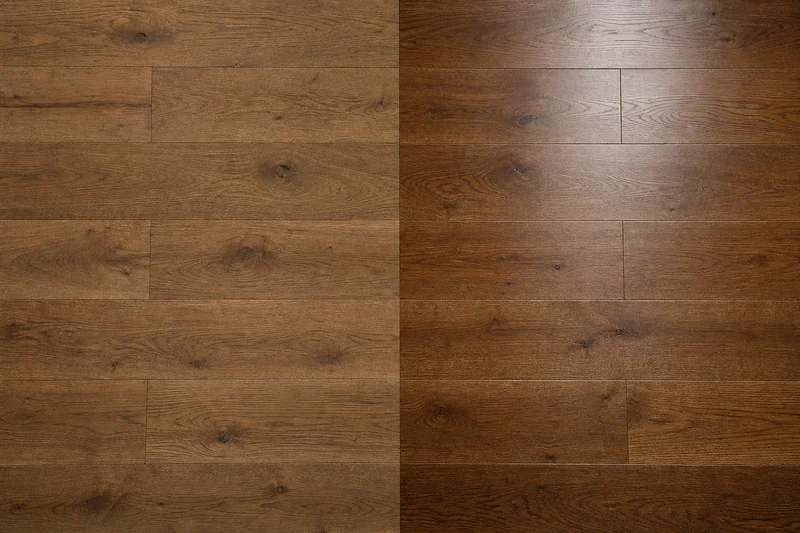
Brushing is the mechanical removal of soft wood tissue, leaving behind hard grain, a distinct texture, and a floor that better withstands everyday use.
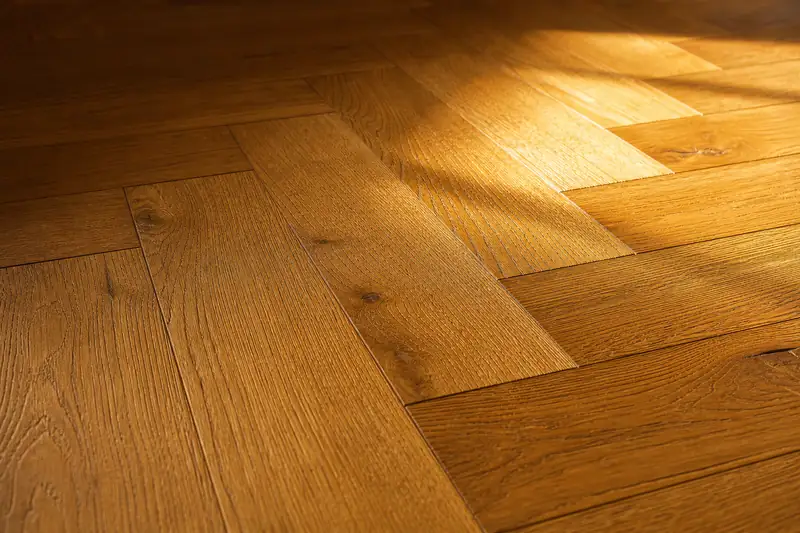
The structure you see and feel under your feet
Brushing removes the soft tissue of the wood and highlights the hard, distinctive grain. The floor gains depth, a three-dimensional effect, and natural scratch resistance —the result is durable, visible, and tangible underfoot.
Basics
What is wood brushing?
Oak wood has a soft spring grain and a hard summer grain. Steel or nylon brushes remove this soft part, leaving a raised, distinct grain. In practice, this effect is often referred to as "wood aging," as it gives the floor the appearance of carefully cared-for wood that has acquired elegance over the years, adding a unique atmosphere to the interior. This isn't painting or staining—it's a permanent change to the surface texture, performed in the factory before the board reaches your home.
After processing, the board is finished with varnish or oil wax —both solutions work well when brushed. Oil enhances the texture underfoot, while varnish provides a harder coating and simplifies daily maintenance.
Every day
Effects and durability
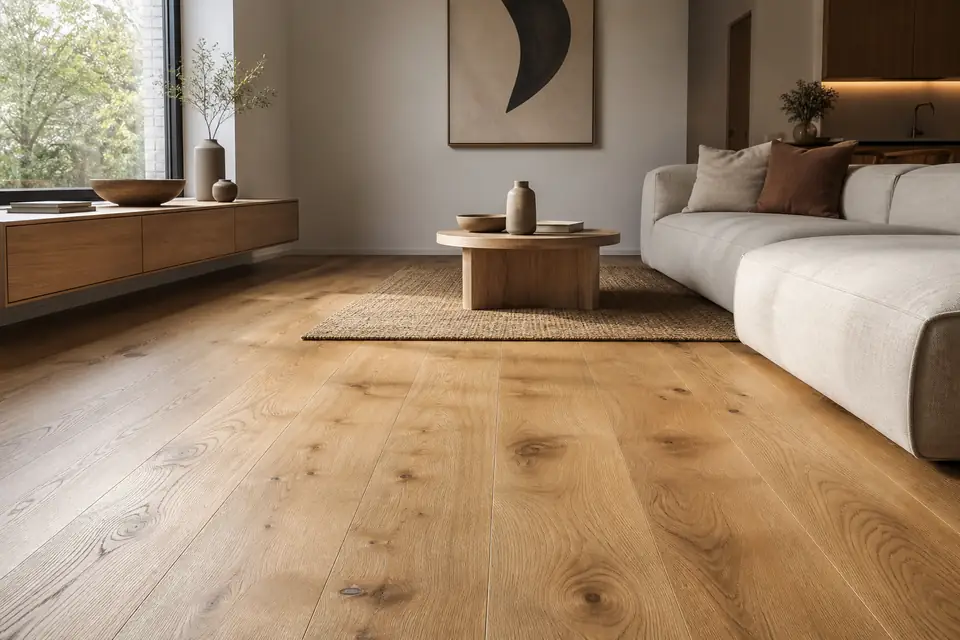
Visually, it offers deeper, contrasting grain and a floor with character that can't be imitated by a smooth finish. Tactilely, it offers the delicate feel of real wood underfoot.
A brushed floor is forgiving in everyday use : scratches and signs of wear disappear into the natural grooves. The soft tissue, which would wear out more quickly anyway, disappears during production, leaving behind the harder grain. Their irregular structure refracts light at different angles, effectively concealing minor scratches and dents.
Regardless of the flooring type chosen, the basis of care is regular vacuuming with a soft parquet brush. Wet care depends on the finish: for oiled floors, a soft brush and a floor care product for oiled floors should be used daily, followed by an annual refreshing treatment; for varnished floors, gentle cleaning without aggressive agents. Regular care is sufficient to ensure the floor maintains a clean appearance, and the natural grooves remain free of dust and dirt.
Choice
Is brushing for you?
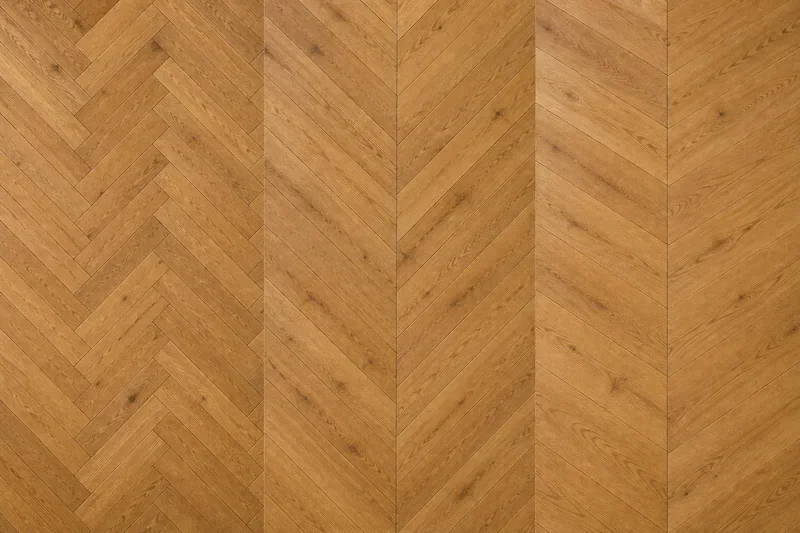
Choose them if you want the feel of real wood and a floor with a distinctive texture—in a rustic, Scandinavian, loft, or modern classic style. Herringbone also looks particularly good.
If you prefer absolute smoothness and a calming backdrop under your furniture, a classic varnished board is a better choice. Want to compare in person? Visit our showrooms or contact us directly using the form or our configurator.
FAQ
Frequently asked questions about brushing wood
-
No—only the soft spring tissue is removed. The hard summer grain remains, retaining the board's full strength.
-
No—scratches are hidden in the texture. For oil, a soft brush and a product designed for oiled floors are sufficient; for varnish, a gentle wash without aggressive agents is sufficient.
-
Both finishes are easy to brush. Oil-wax penetrates the structure and enhances the texture underfoot, while varnish provides a harder coating and easier daily care. The choice depends on your interior and preferences. More information in the article about varnish and oil.
-
Yes—classic, French, or Hungarian herringbone with a brushed texture is one of the most striking combinations. Learn more in our herringbone pattern guide.