90°
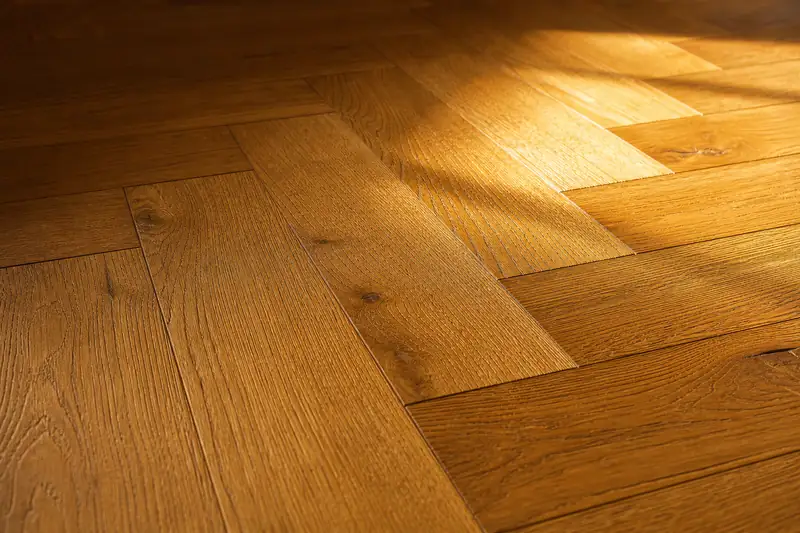
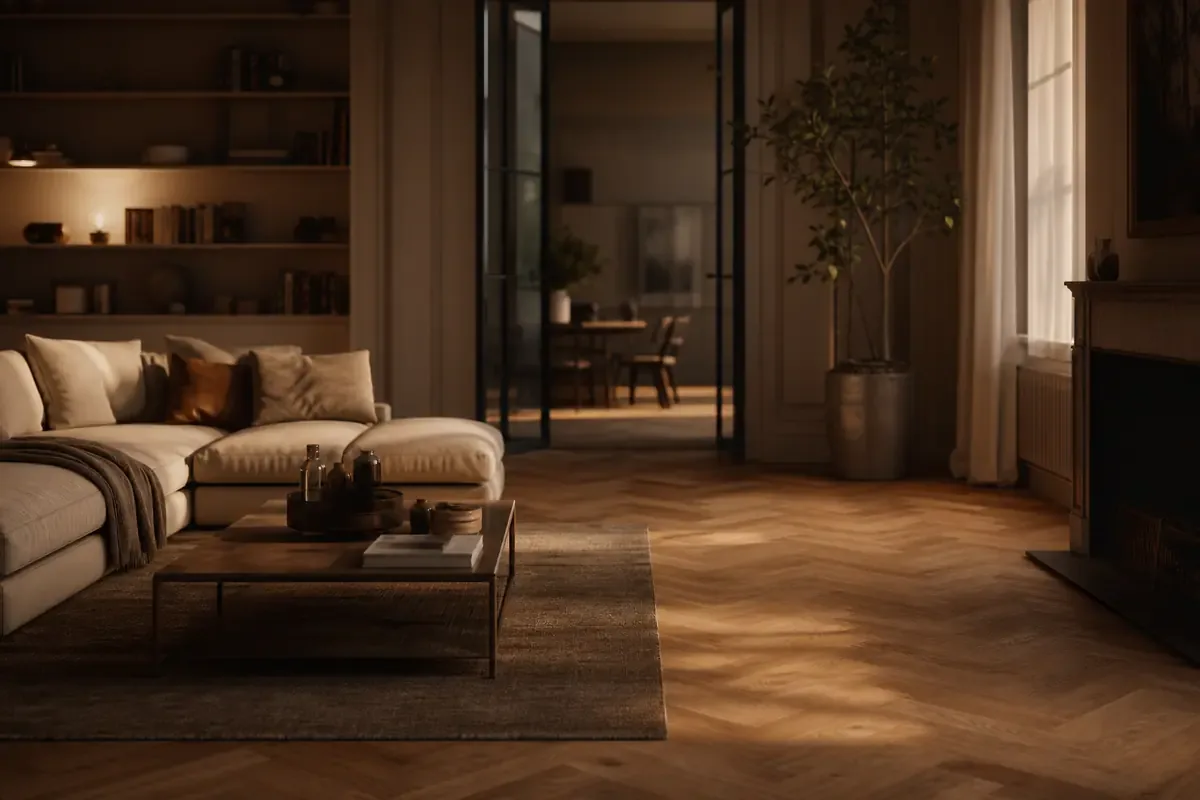
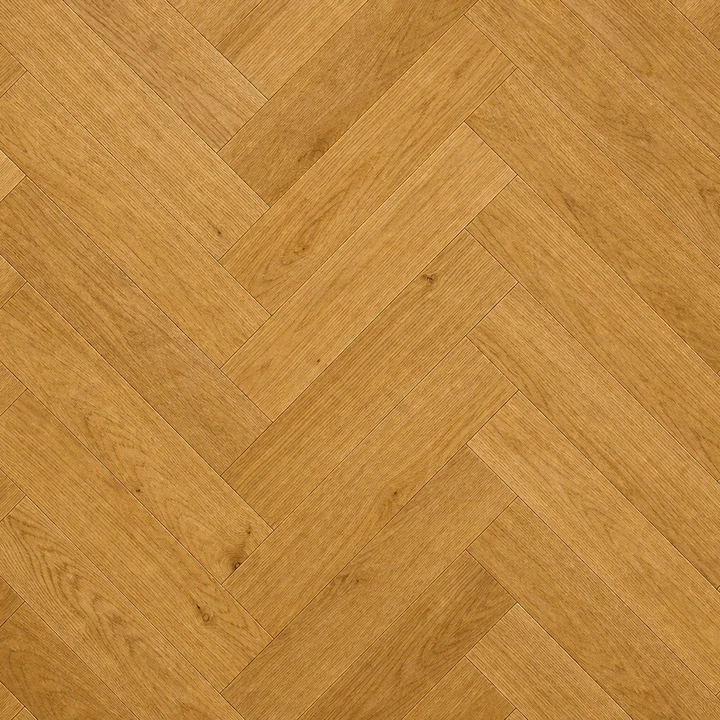
Classic herringbone
Most frequently chosen – tenement houses, residences and quiet family interiors.
- Versatility
- Calm rhythm
- Easier furniture selection
A safe choice for years to come - always up to date.
See classic herringbone →Learn the differences between French, Hungarian, and classic herringbone. See which pattern will best accentuate the character of your interior and will last for decades to come.
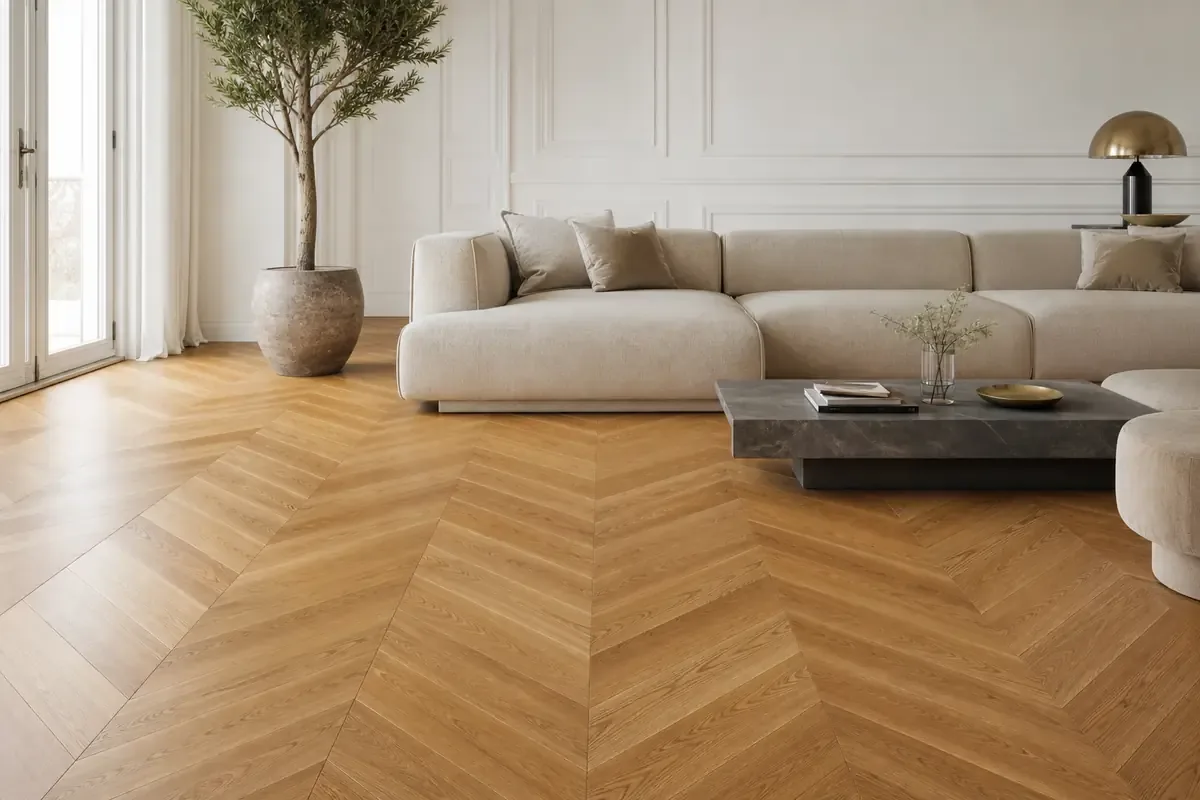
Most investors choose one of three proven formulas – below you'll see the differences at a glance.
90°
Most frequently chosen – tenement houses, residences and quiet family interiors.
A safe choice for years to come - always up to date.
See classic herringbone →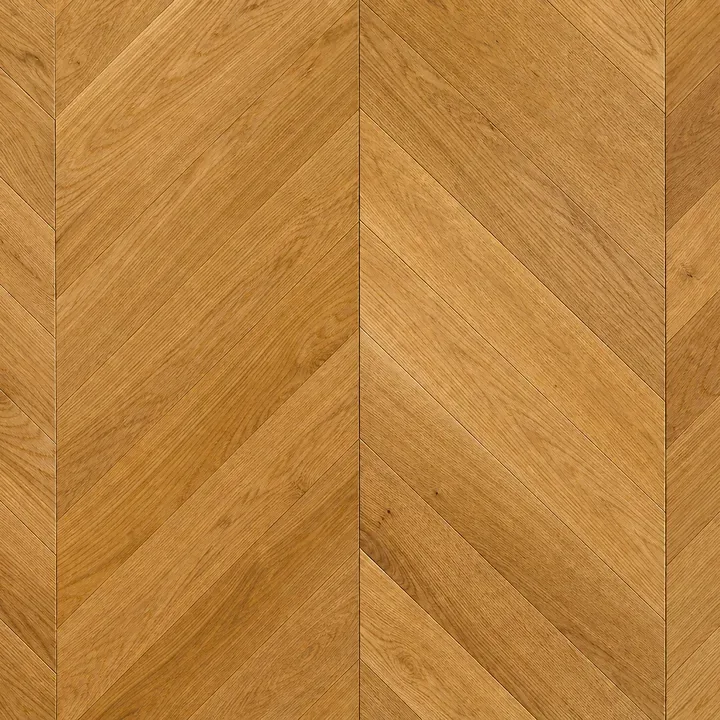 Timeless elegance
45°
The most elegant and prestigious design – premium apartments and modern homes.
Recommendation no. 1 for representative interiors.
See French herringbone →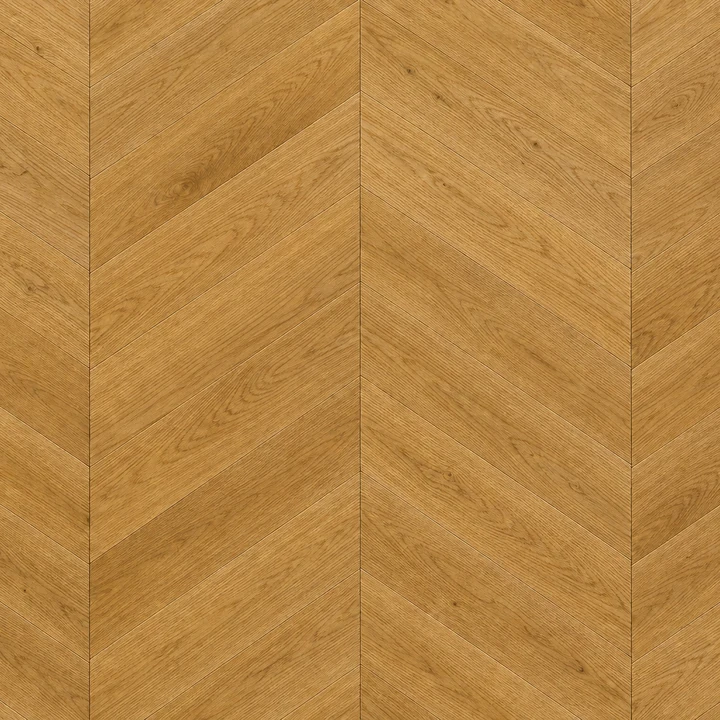
60°
A distinctive layout with a dynamic rhythm – modern and bold designs.
Perfect when you want to highlight a space without going overboard.
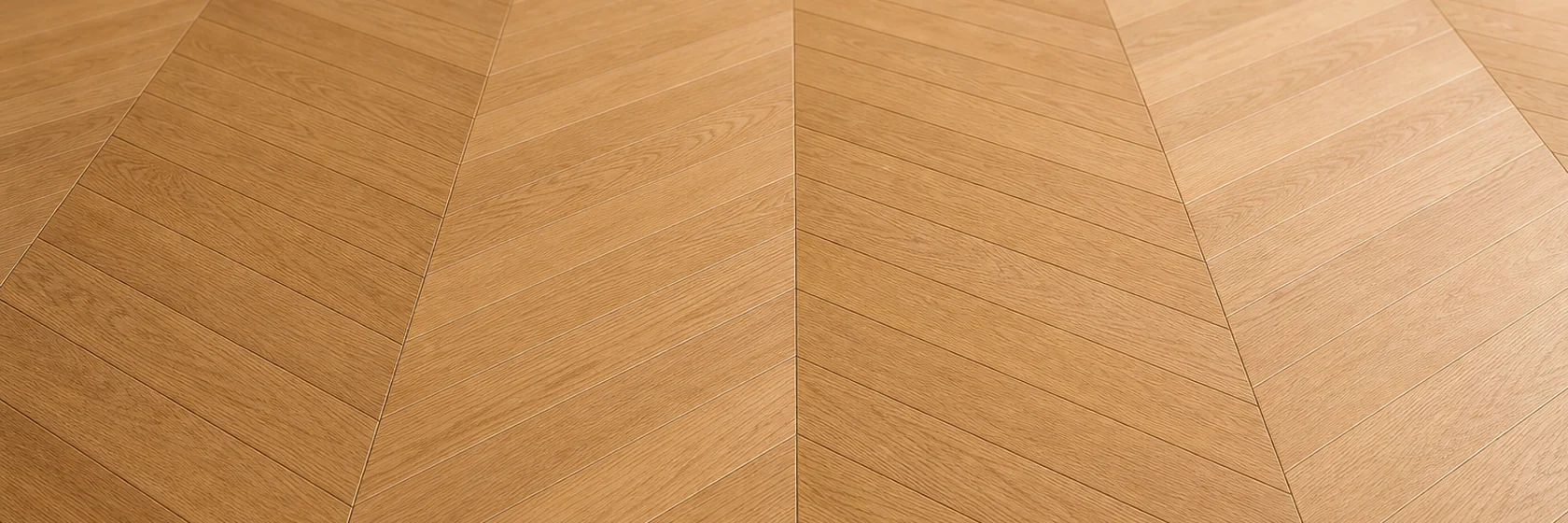
See Hungarian herringbone →Chevron oak parquet – one of the most frequently chosen patterns for apartments, halls and living rooms.
The boards, cut at a 45° angle, create a vertically symmetrical pattern. They emphasize the interior's prestige, organize the space, and create a sense of refined detail—without overly decorative elements.
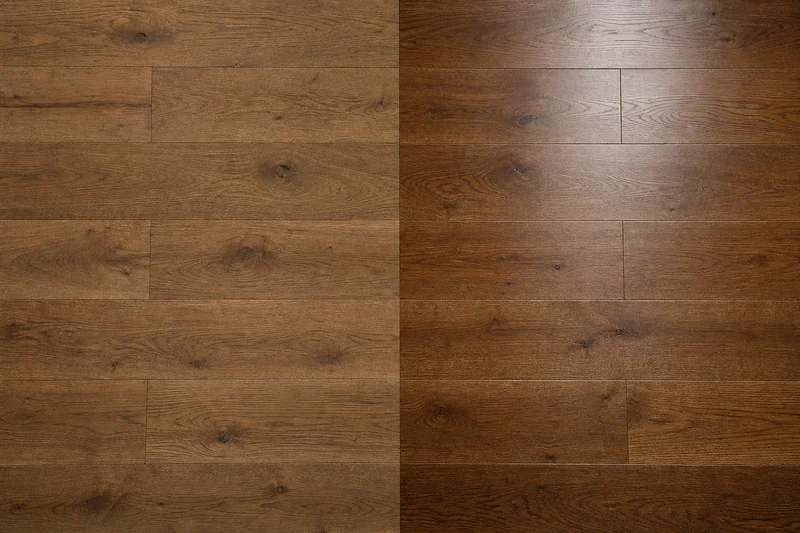
Matte/satin varnish or oil
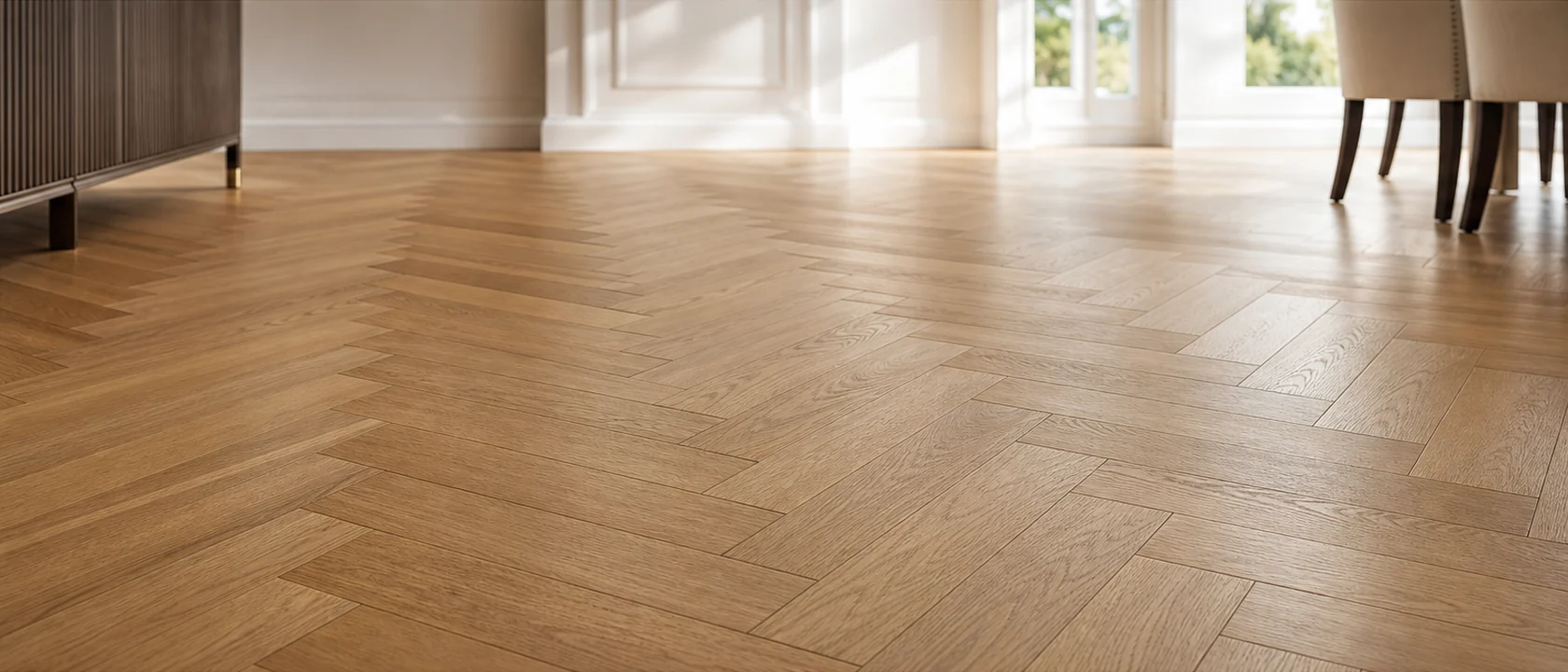
Herringbone oak parquet – as often chosen as French chevron.
The classic right-angle braid pattern. A calmer rhythm than the 45° chevron, it coordinates more easily with furniture and accessories—ideal for apartments, townhouses, and family homes.
Matte/satin varnish or oil
Double, checkerboard and ladder - compare oak parquet laying patterns.
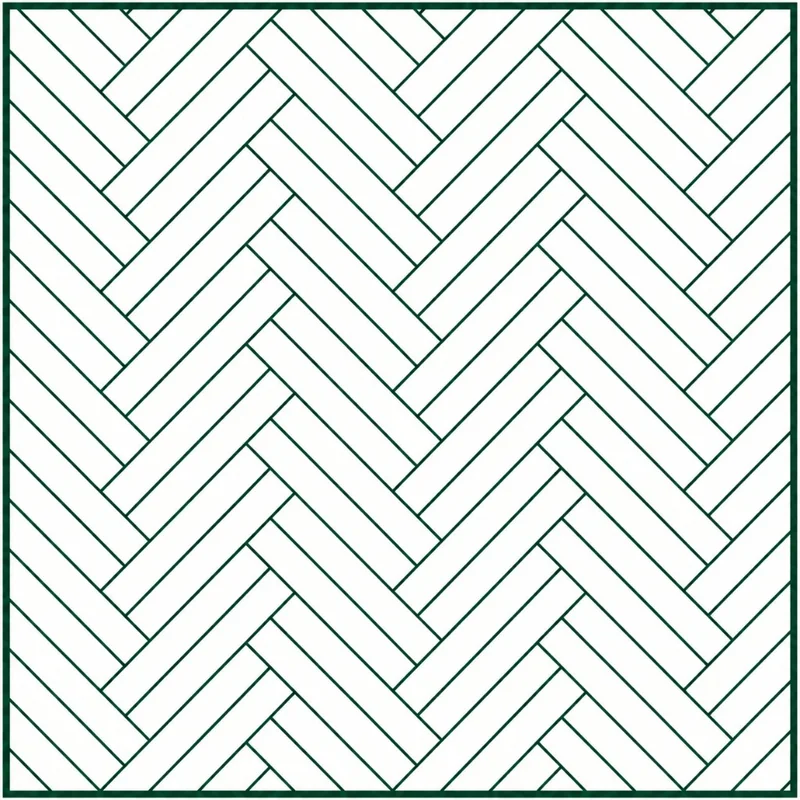
90°
Two parallel segments in one arm – a more expressive classic herringbone while maintaining the calm character of the herringbone.
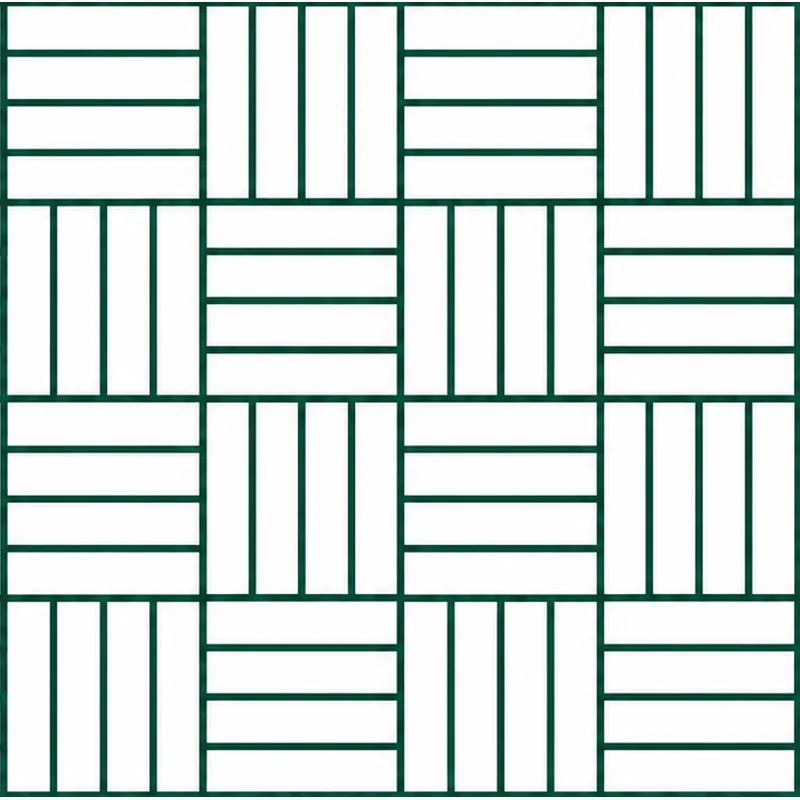
90°
Alternating planks in a checkerboard pattern – a subtle, orderly pattern on larger surfaces and in representative interiors.
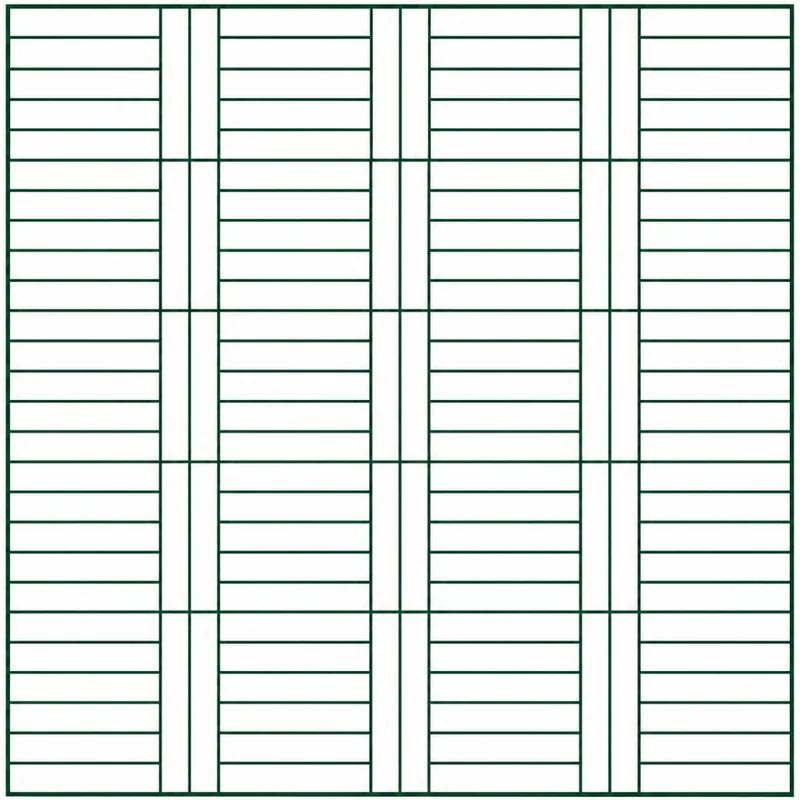
90°
Alternating horizontal and vertical stripes – a distinctive, decorative rhythm for living rooms and spaces with character.
Traditional, Arrow and Wave - see how chevron patterns differ in oak parquet.
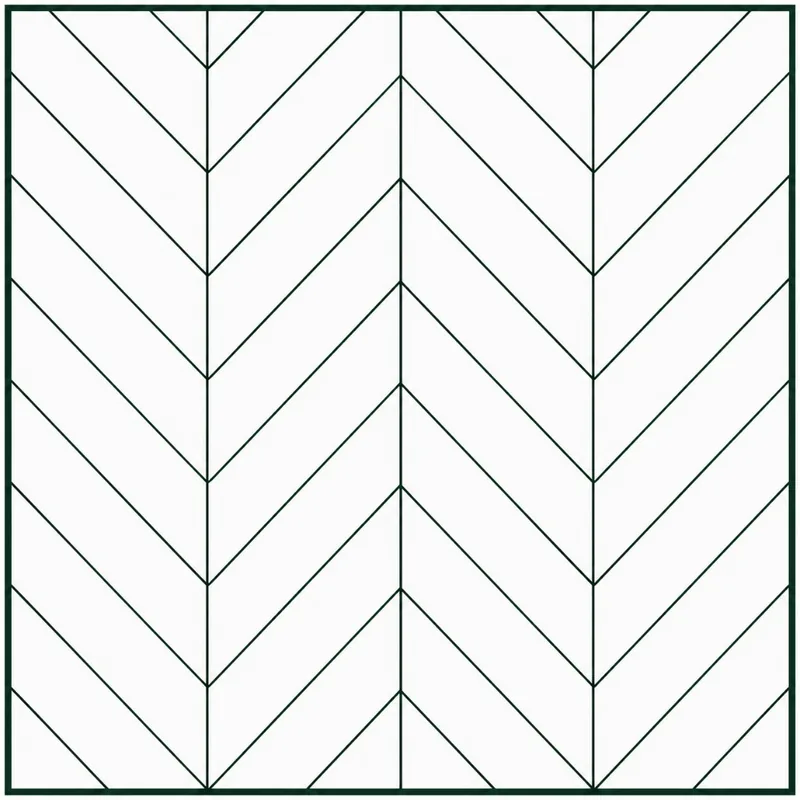
45°
Diagonal planks meet in a straight line – the most recognizable chevron for apartments, halls and elegant living rooms.
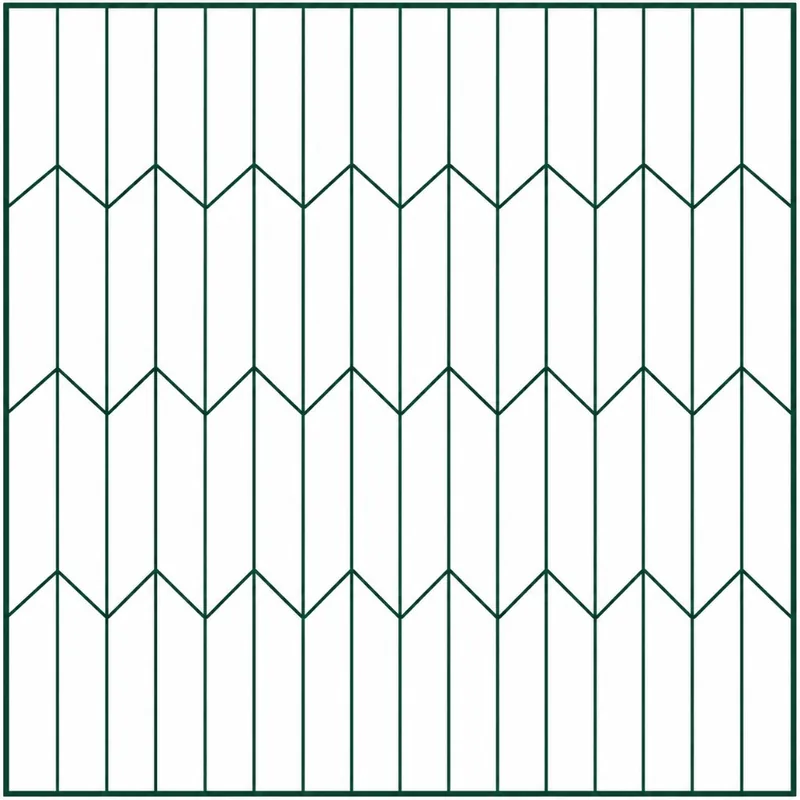
45°
The pattern is arranged horizontally - a clear arrow rhythm on wide floors and in modern arrangements.
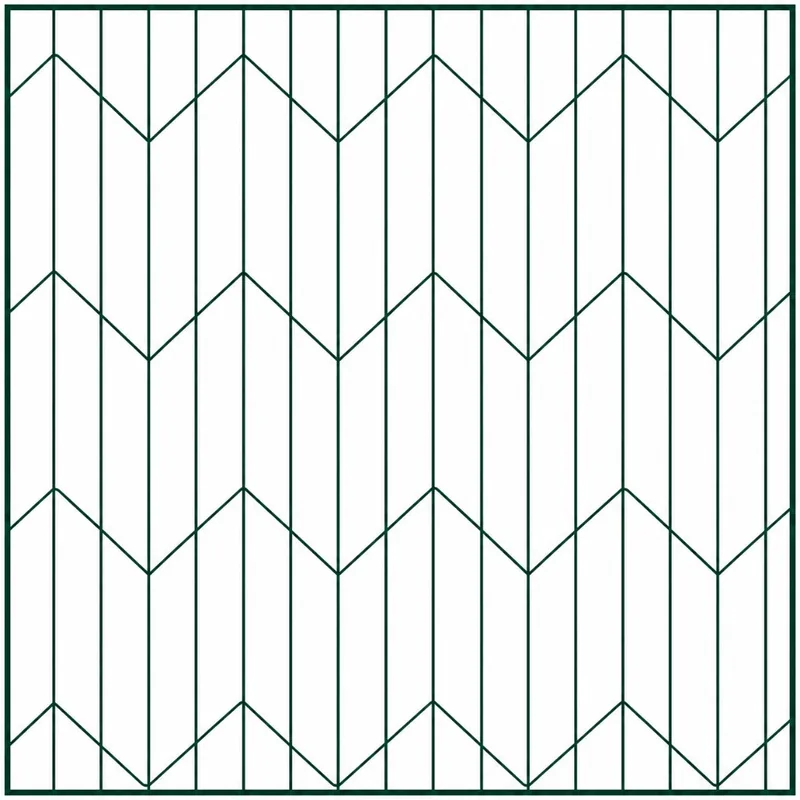
45°
Horizontal lines crisscrossing the pattern – decorative French herringbone for large spaces and interiors with expressive detail.
Our experts will help you choose the pattern, color, and finish that suits your interior.